World Wide Web Z, or the zombie internet
These articles were originally written in French, then translated using AI.
This post started when I wanted to play with n8n, a popular "no-code" automation tool. I set up an instance on personal hosting, created my account and password, and I was pretty excited about the prospect. Then on the home page of my workspace, among a small selection of suggested workflows, I saw this:
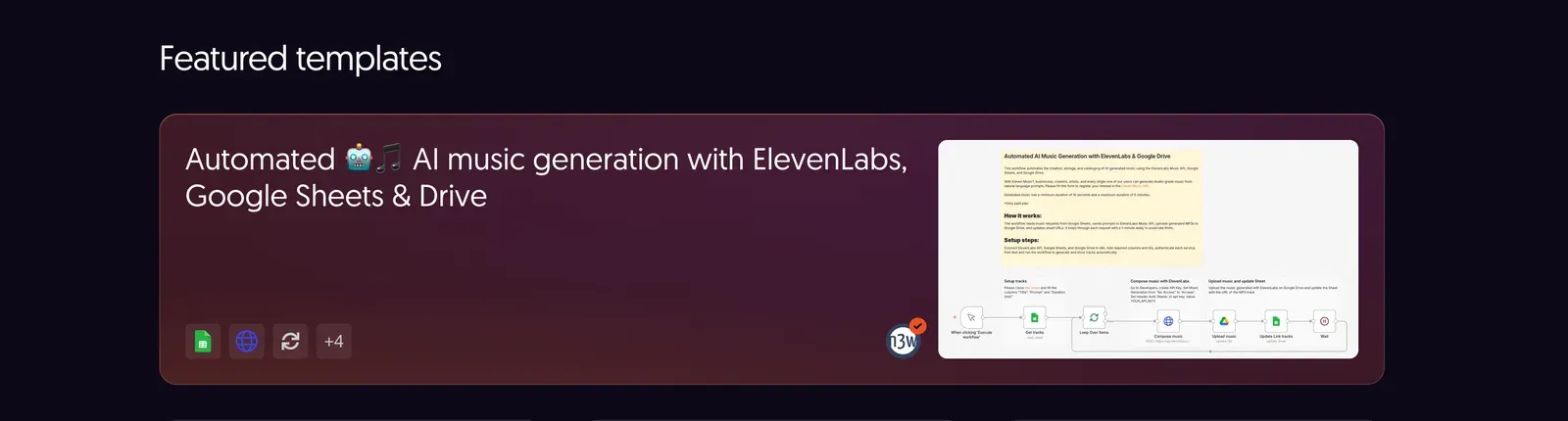
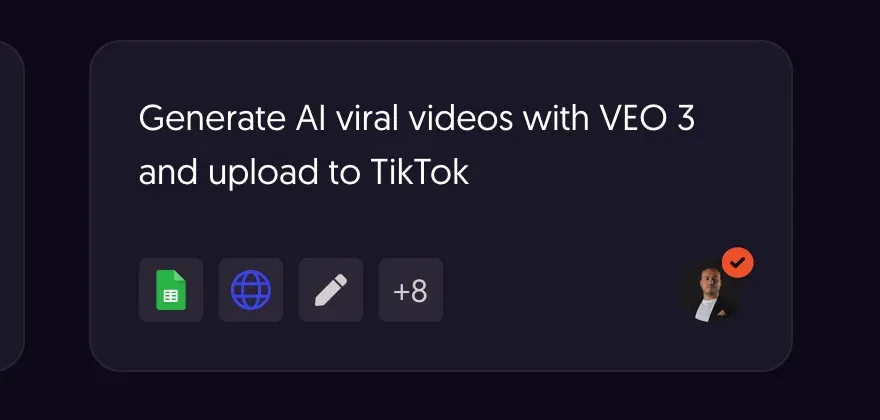
A workflow highlighted to generate music on one hand, and "viral" TikTok video on the other.
My excitement took a hit, honestly. Not because generating music or video bothers me. Playing with AI to create cultural products can be fun. For music, I personally doubt we will produce masterpieces, but I do not mind people trying.
What bothers me is offering workflows to automate distribution. That implies MASS production; otherwise why automate? The goal is not to experiment, create generative art, and aim for quality, but to flood the market with quantity and hope for a small miracle in a sea of failed drafts (still published).
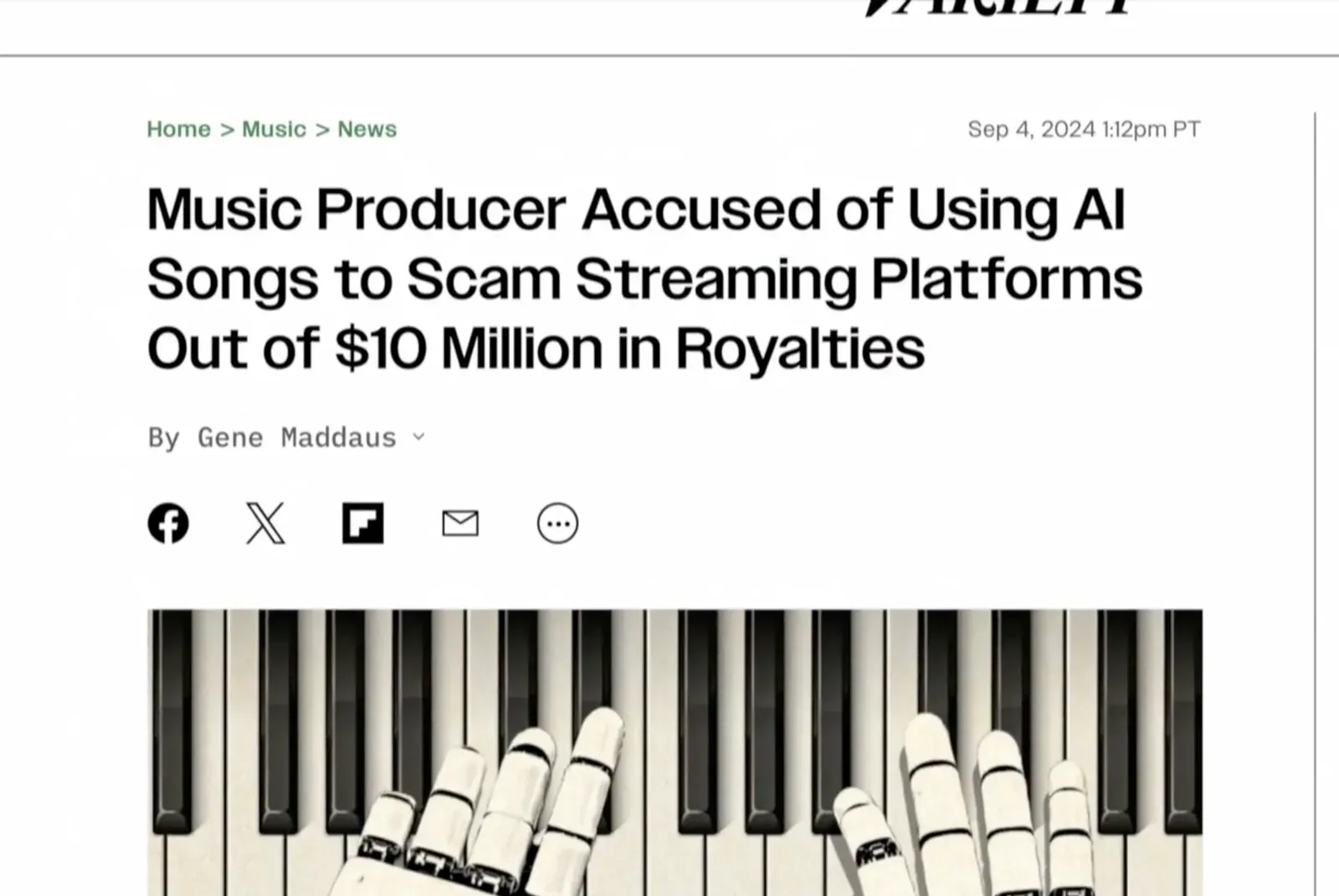
And yes, that sets me off. Why?
What annoys me is not so much that these n8n workflows exist. Again, it is a technical challenge that can be intellectually interesting. We all love automating things.
What disturbs me is platforms promoting these workflows. We know they will not be used for research but for commercial purposes. It is the little that Amazon, Spotify, or YouTube do to limit spread. It is a form of encouragement to produce slop.
Broken promise
I chose European n8n over Make or Zapier so I could test it on Infomaniak hosting, hook up Euria (a Swiss model respectful of private data) with a "sovereign" promise, controlled and, let us say, "ethical" usage.
But I am afraid the most popular uses of tools like n8n, Make, or Zapier are to produce zombie content, industrially and at scale.
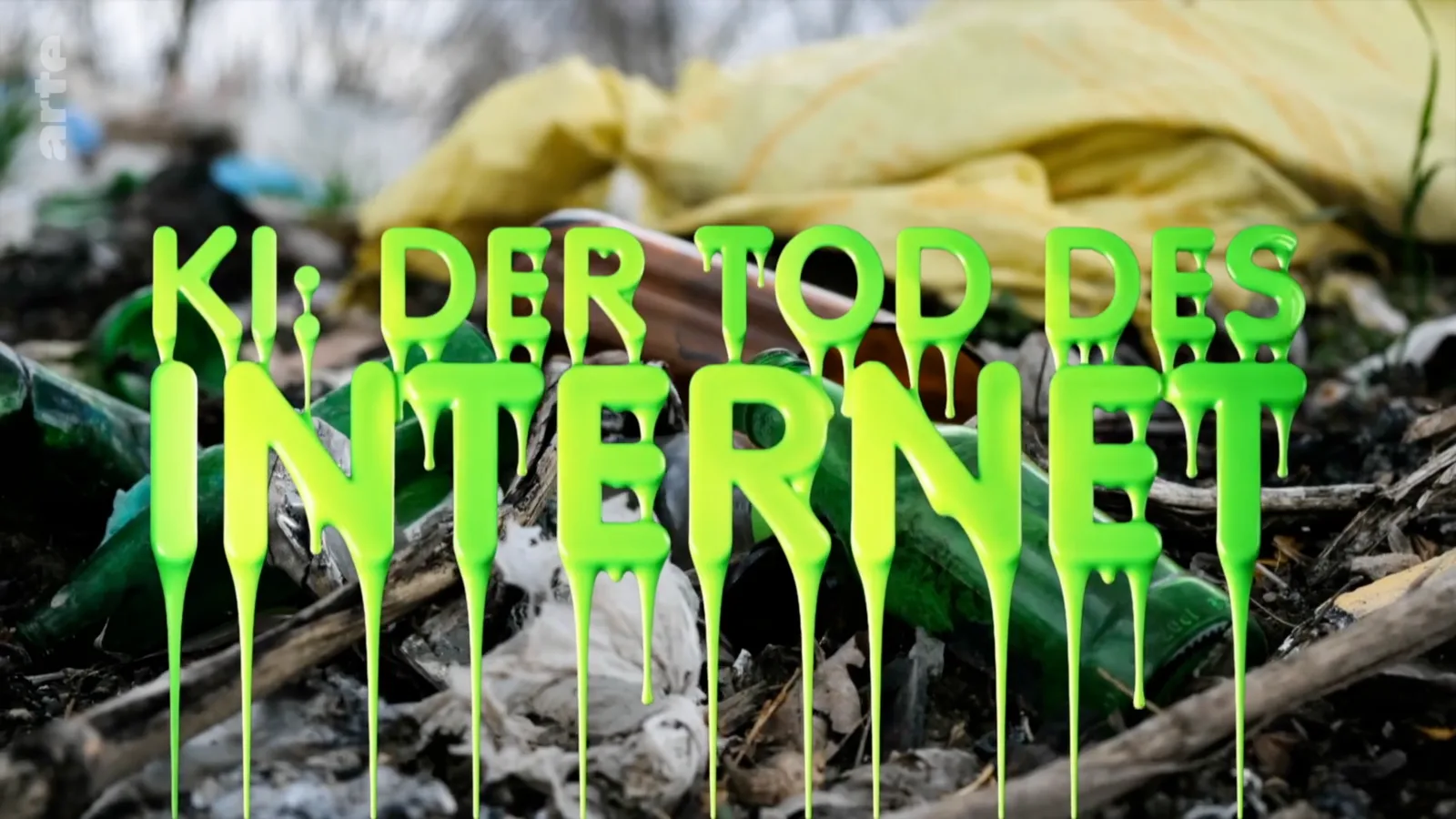
I thought back to the German documentary on Arte, Will AI Kill the Internet?, which covered this phenomenon. It was presented like a pandemic hitting the world everywhere: AI-generated books on Amazon, songs on Spotify, videos on YouTube, plus posts and comments across our favourite social networks.
This massive content production is not so far, at heart, from spam, scams, and fraud produced in staggering proportions. The goal is to flood the market, accept many losses, and hope a tiny percentage of clicks is enough to justify both the risk and the cost of the scam.
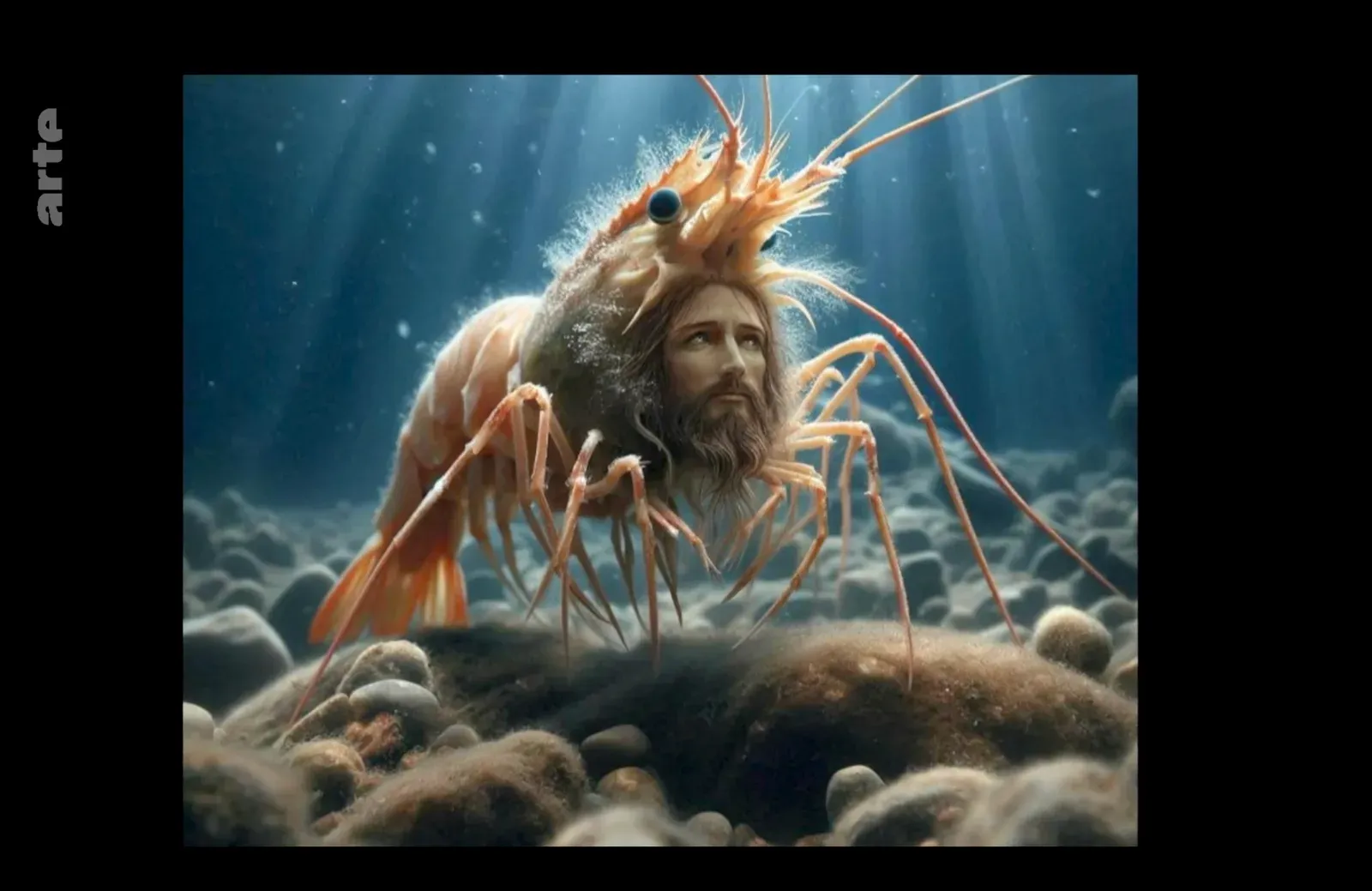
The zombie internet
A bot invasion, a tsunami of generated content that raises questions not because it is new (we have fought bots since the early public internet; I will come back to that) but because of its scale. The documentary makes clear that the number of AI-generated songs, books, videos, articles, and discussions is overtaking human content.
People have been talking about the zombie internet for a while (see the sources section below). It fits better and feels less conspiratorial than dead internet theory, and the image is more powerful and closer to how it feels scrolling LinkedIn, for example.
You feel surrounded by posts that seem lifeless yet still move, in a hostile, devastated but outwardly calm environment. Sometimes, in a sudden burst of violence, hordes of bots attack.
Oh, they are not very clever, mostly harmless. But if you know the genre, danger is in numbers, and above all deep inside us humans (cliché mode engaged).
Because yes, we already see it a little: people grow suspicious, see bots where there are none and the opposite. Confusion reigns.
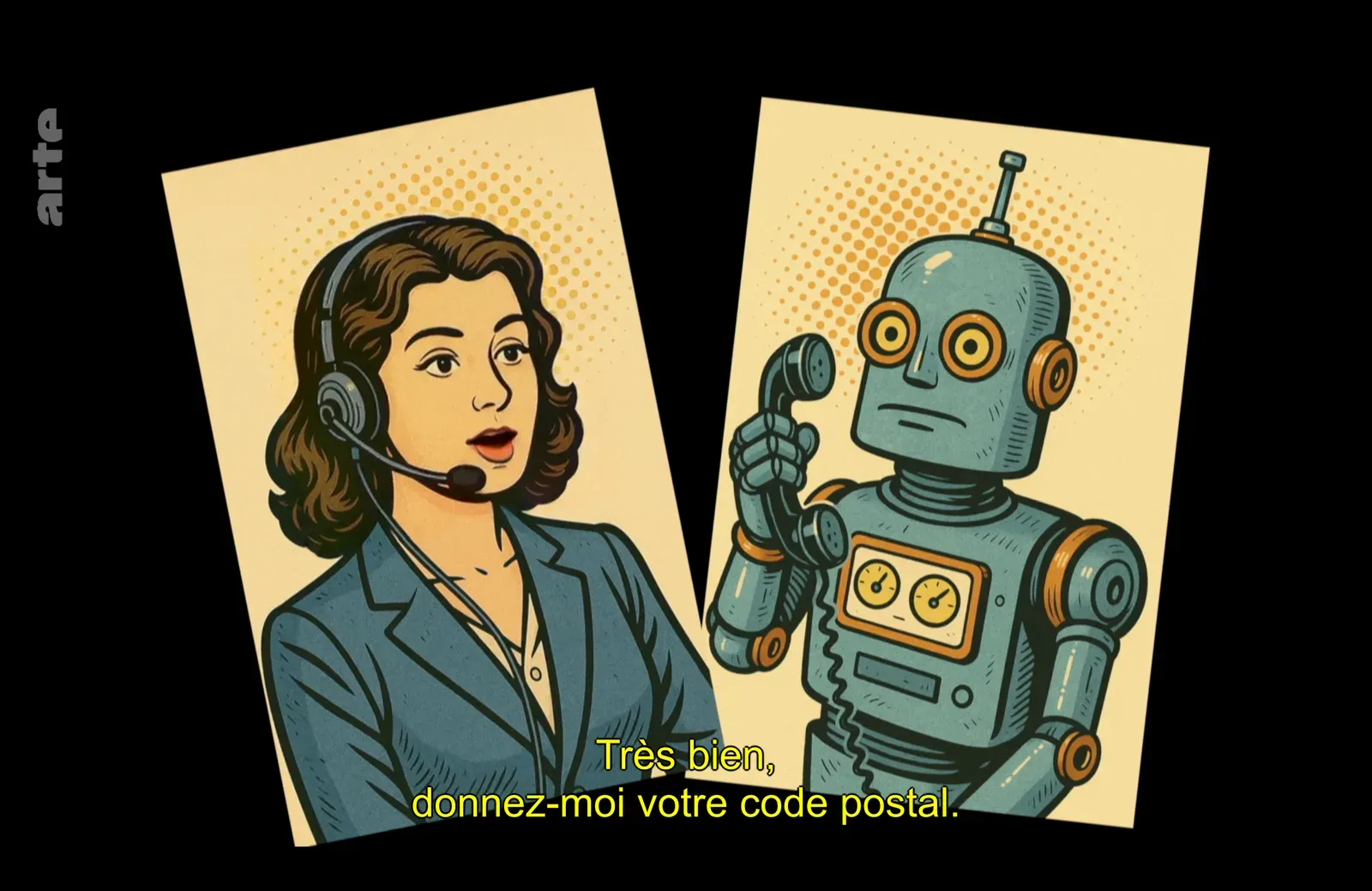
Yes, you will tell me, we are not fooled. For now we can still spot AI-generated content, but the problem is elsewhere.
- First, the flood, the numbers, the blitz, and how helpless we seem.
- Second, not only the little platforms do to fight zombie content, but its promotion and highlighting.
- Third, the suspicion that hits us. Trust eroding between us. Confusion settling in.
- Finally, the future quality of LLMs previously trained on human content. If slop overtakes human production, a dangerous loop will start.
We risk not only more idiotic, absurd, hallucinated content and fake news, but also our cherished Artificial Intelligence becoming much less brilliant.
Sources
- Will AI Kill the Internet? (Arte documentary)
- It won't be so much a ghost town as a zombie apocalypse: how AI might forever change how we use the internet (Live Science)
- The zombie internet and its devastating consequences for advertising, social media, and the human web (Fast Company)
- Pas tant une ville fantôme qu'une apocalypse zombie : comment l'IA va transformer internet (Slate.fr)
- Vers un internet plein de vide (Framablog)